Sweet Memory: A Charming Handwritten Font for Small Business
Building a brand that feels authentic and trustworthy is one of the hardest parts of running a small business. When you are selling handmade candles, baking artisanal bread, or offering life coaching services, your visual identity needs to speak directly to your customer's emotions. That is where Sweet Memory comes in. As a small business owner myself, I have learned that the right typeface can transform a generic logo into a memorable brand mark. Sweet Memory is not just another script font; it is a design asset that brings warmth, playfulness, and a personal touch to every piece of marketing material you create.
The Personality Behind the Typeface
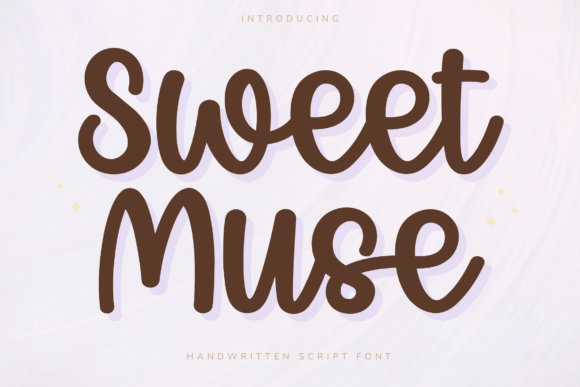
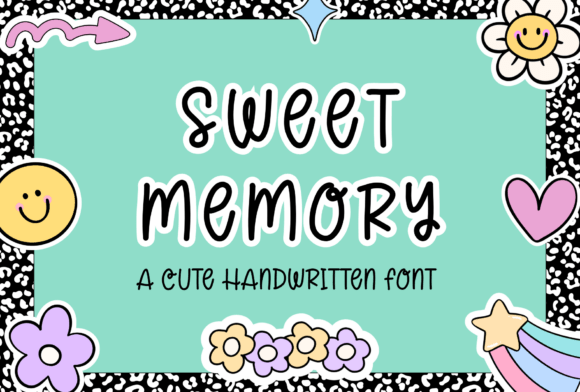
Sweet Memory is a handwritten font designed with a whimsical and charming style. Unlike rigid, corporate typefaces, this font mimics the natural flow of a pen on paper. Its smooth strokes and rounded letterforms give it a soft, approachable feel that instantly lowers barriers between your brand and your audience. What truly sets it apart are the cute heart accents scattered throughout the character set. These subtle details add a layer of affection and care, making it an ideal choice for businesses built on relationships and trust.
In the world of modern typography, there is a constant pull between looking professional and feeling human. Sweet Memory bridges that gap perfectly. It belongs to the Script Amp category of fonts, meaning it is expressive enough to stand out as a display font but structured enough to remain legible in most contexts. Whether you are designing a boutique logo or creating social media graphics, this creative font ensures your brand identity feels cohesive and intentional.
Bringing Consistency to Your Brand Materials
One of the biggest challenges entrepreneurs face is maintaining consistency across different platforms. If your website looks sleek but your Instagram posts look amateurish, customers may question your professionalism. Using a versatile premium font like Sweet Memory helps unify your visual language. Imagine using this script font for your main headline on your website, then seeing the same playful personality on your product labels, thank-you cards, and even your business cards. This repetition builds recognition. When a customer sees those rounded letters and heart accents, they immediately know it is you.
Consider how this applies to real-world scenarios. If you own a bakery, Sweet Memory can be used on your menu boards to make the dessert names sound inviting and delicious. For a handmade candle seller, the font works beautifully on packaging design, turning a simple jar into a gift-worthy item. The handwritten style suggests that each product was made with love, which is a powerful selling point for niche markets. Even service providers, such as wedding planners or child coaches, can use this display font to soften their digital presence and appear more empathetic and accessible.
Practical Applications for Everyday Business
- Logo Design: Use Sweet Memory as the primary text for your logo to establish a friendly brand voice immediately.
- Packaging and Labels: Apply it to product tags, stickers, and boxes to enhance the unboxing experience.
- Social Media Graphics: Create eye-catching headlines for Instagram stories, Pinterest pins, and Facebook ads that stop the scroll.
- Printed Materials: Print flyers, brochures, and event invitations that feel personal rather than mass-produced.
- Web Design: Feature it in hero banners and section headers to break up blocks of text and guide the reader's eye.
Readability and Real-World Usage
While decorative fonts are beautiful, they must also be functional. A common mistake is choosing a font that looks great at large sizes but becomes unreadable when shrunk down. Sweet Memory is designed with readability in mind. The clear distinction between its rounded letterforms ensures that it remains legible even on smaller formats like mobile screens or tiny product labels. However, it is still best suited for headlines, short phrases, and accent text rather than long paragraphs of body copy.
When using Sweet Memory for web design or digital ads, ensure you test it on various devices. Mobile users often view content quickly, so your headline needs to grab attention instantly. The heart accents in the font add visual interest without cluttering the message. On printed materials, such as café menus or boutique signage, the smooth strokes reproduce well, ensuring your brand looks crisp and high-quality. Always remember that a commercial font should work hard for you, not distract from your message.
Mastering Font Pairing for Professional Results
To achieve a polished look, pairing Sweet Memory with the right secondary typeface is essential. Because Sweet Memory is so expressive and whimsical, it pairs best with clean, neutral fonts that provide contrast. A simple sans serif font works wonders here. The geometric simplicity of a sans serif balances the organic curves of the script, creating a layout that is both modern and readable. For example, you might use Sweet Memory for your "Welcome" headline and a clean sans serif for the details below it.
If you prefer a more traditional or elegant aesthetic, try pairing it with a classic serif font. This combination adds a touch of sophistication while keeping the warmth of the handwritten style. Avoid pairing Sweet Memory with other complex scripts or overly decorative fonts, as this can make your design look chaotic and difficult to read. Good font pairing is about harmony; let Sweet Memory shine as the star while your supporting font handles the heavy lifting of information delivery.
Testing and Licensing: Essential Steps for Entrepreneurs
Before you commit to using Sweet Memory across your entire brand, take the time to test it. Create mockups of your logo, a sample product label, and a social media post. Look at them in black and white, in color, and at different sizes. Does the font convey the right mood? Is it easy to read? Testing helps you avoid costly mistakes later, such as rebranding after realizing the font doesn't work on your packaging.
Finally, always check the licensing terms. As a business owner, you need to ensure you have the right to use the font commercially. If you plan to sell products with the font on the packaging, create templates for clients, or use it in merchandise, you must verify that your license covers these uses. Many design assets come with restrictions, so reading the fine print protects your business from legal issues. Once you have confirmed the license and tested the design, Sweet Memory becomes a powerful tool to elevate your brand, making it look consistent, professional, and deeply connected to your customers.